

Over 60 percent of Canadian adults have tried at least one method for removing unwanted hair, yet few really understand the science that sets modern laser hair removal apart. With its promise of smoother skin and less maintenance, this advanced approach attracts a growing number of clients every year. Exploring how these systems work gives you the confidence to make informed choices, whether you are new to hair removal technology or seeking better long-term results.
Table of Contents
- Understanding Laser Hair Removal Technology
- Step-By-Step Laser Hair Removal Procedure
- Ideal Candidates and Treatment Areas Defined
- Potential Risks, Safety, and Side-Effects
- Laser Hair Removal Costs and Alternatives
Key Takeaways
| Point | Details |
| Understanding Technology | Laser hair removal uses selective photothermolysis to target hair follicles, minimizing damage to surrounding skin. Different lasers are suited for various skin and hair types. |
| Procedure Insights | The laser hair removal procedure involves a skin assessment, treatment preparation, and proper aftercare to ensure effective results. Multiple sessions are usually required for optimal outcomes. |
| Candidate Criteria | Ideal candidates have a high contrast between skin tone and hair colour. Individuals should have realistic expectations regarding the number of required sessions and potential outcomes. |
| Cost Considerations | Laser hair removal, while initially costly, offers long-term savings over traditional hair removal methods. Pricing is influenced by the treatment area size, the number of sessions, and the clinic’s expertise. |
Understanding Laser Hair Removal Technology
Laser hair removal represents an advanced aesthetic treatment that harnesses precise light technology to target and eliminate unwanted body hair. By leveraging the principle of selective photothermolysis, this innovative procedure enables practitioners to target hair follicles while minimizing damage to surrounding skin tissue. According to Wikipedia, this technique targets the melanin pigment in hair follicles with specific wavelengths of light absorbed by darkly pigmented hair.
The technology behind laser hair removal is remarkably sophisticated. Different laser systems use unique wavelengths and pulse durations to effectively target hair at various growth stages. For instance, alexandrite lasers work exceptionally well for individuals with lighter skin tones. In comparison, Nd: YAG lasers can safely treat darker skin tones by penetrating deeper without causing surface pigmentation damage. Learn more about the science behind laser hair removal.
Key technological features of modern laser hair removal include:
- Precision targeting of individual hair follicles
- Ability to treat multiple hair follicles simultaneously
- Customizable settings for different skin and hair types
- Minimal discomfort and rapid treatment times
By understanding the intricate technology behind laser hair removal, clients can appreciate the sophisticated approach that enables permanent hair reduction. The procedure’s success relies on matching the right laser wavelength to individual skin and hair characteristics, ensuring safe and effective results.
For those considering this treatment, consulting with experienced professionals who understand these nuanced technological principles is crucial. Our guide on laser hair removal for different skin types provides deeper insights into personalized treatment approaches.
Step-By-Step Laser Hair Removal Procedure
Laser hair removal is a meticulously structured procedure that requires careful preparation and professional execution. According to the Medical Physics Institute, the process begins with a comprehensive skin assessment to determine the most appropriate treatment approach for each individual. This initial consultation allows practitioners to evaluate skin tone, hair colour, and potential treatment responses.
The standard procedure typically involves several critical stages. PMC research outlines the following step-by-step approach:
- Initial Consultation and Skin Evaluation
- Pre-Treatment Skin Preparation
- Laser Treatment Application
- Post-Treatment Care and Follow-up
Before the actual treatment, patients are advised to prepare their skin carefully. This includes:
- Avoiding sun exposure for at least two weeks before treatment
- Stopping hair removal methods like waxing or plucking
- Shaving the treatment area 24-48 hours before the session
- Avoiding certain medications that might increase skin sensitivity
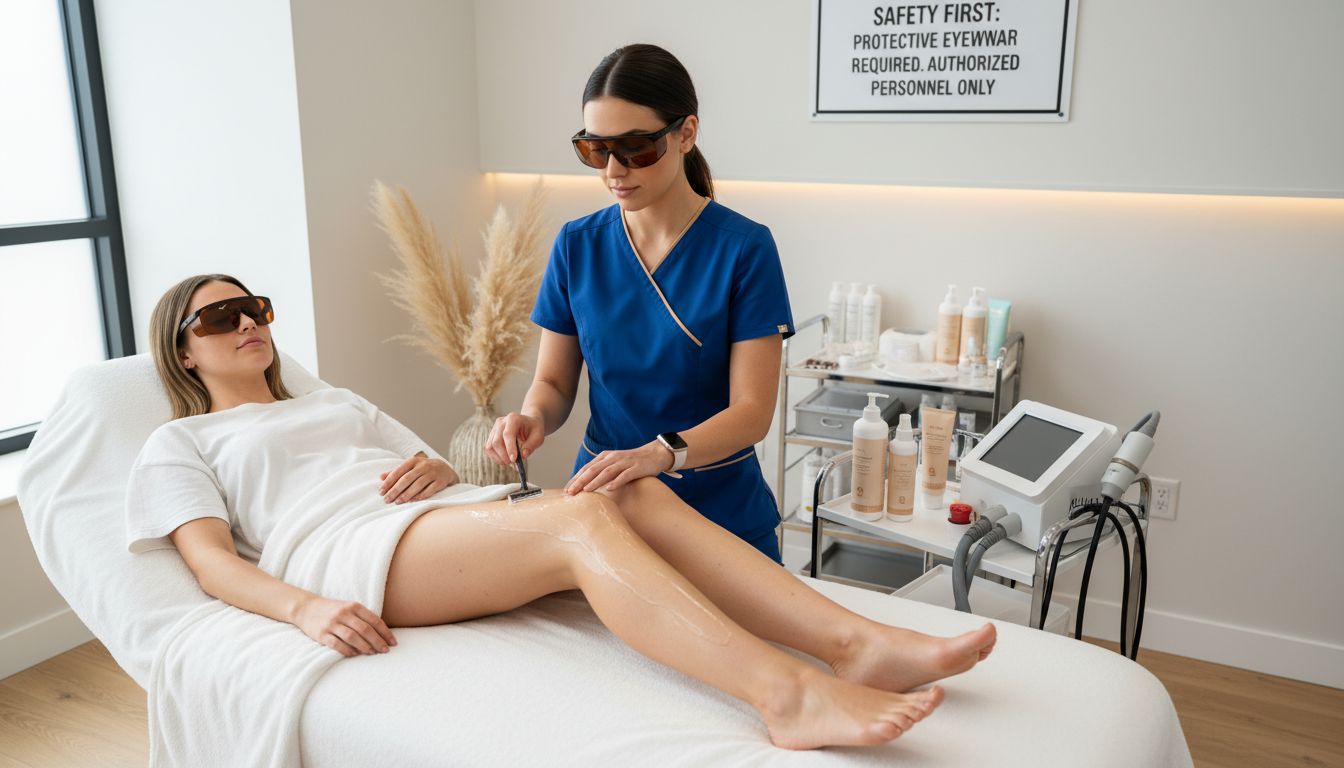
During the procedure, clients can expect a systematic approach in which a trained technician uses precision laser technology to target hair follicles. Learn more about laser hair removal preparation and aftercare. The laser pulses are carefully calibrated to match the individual’s unique skin and hair characteristics, ensuring maximum effectiveness and minimal discomfort.
Ideal Candidates and Treatment Areas Defined
Laser hair removal is not a one-size-fits-all treatment, and understanding who makes an ideal candidate is crucial for achieving optimal results. Wikipedia highlights that the most effective candidates typically have a high contrast between their skin tone and hair colour, specifically individuals with light skin and dark hair. This contrast allows the laser to more precisely target melanin in hair follicles without damaging surrounding skin tissue.
Treatment Areas The versatility of laser hair removal makes it suitable for multiple body regions. Common treatment areas include:
- Face (including upper lip, chin, and sideburns)
- Underarms
- Legs (full or partial)
- Bikini line
- Back
- Chest and abdomen
While traditional approaches worked best for specific skin tones, advances in laser technology have expanded treatment possibilities. Modern laser systems now accommodate a broader range of skin types, though individuals with very dark skin or very light, fine hair may still experience less consistent results.
Explore our detailed guide on laser hair removal for specific body parts to understand how different areas might respond to treatment.
Beyond skin and hair characteristics, ideal candidates should also have realistic expectations about the procedure. Laser hair removal typically requires multiple sessions for optimal outcomes, and results can vary based on individual hair growth patterns, hormonal factors, and genetic predispositions. A comprehensive consultation with a professional can help determine your specific suitability and the potential success of your treatment.
Potential Risks, Safety, and Side-Effects
Laser hair removal, while generally considered safe, does involve potential risks and side effects that patients should carefully understand before proceeding. PMC research emphasizes the critical importance of professional assessment and adherence to standard operating protocols to minimize potential complications. The procedure’s safety largely depends on the practitioner’s expertise and the individual’s unique physiological characteristics.
Common Side Effects Short-term side effects are typically mild and transient:
- Temporary skin redness
- Slight swelling around treatment areas
- Mild tingling or sensitivity
- Potential pigmentation changes
According to Wikipedia, rarer but significant risks can include:
- Burns or blistering
- Scarring
- Changes in skin pigmentation
- Paradoxical hair growth in treated areas
The likelihood of experiencing these side effects can be significantly reduced by choosing a reputable clinic with experienced practitioners. Learn more about laser hair removal preparation and aftercare to understand how proper pre- and post-treatment care can minimize potential risks.
To ensure optimal safety, patients should disclose their complete medical history, current medications, and skin sensitivity during the initial consultation. Individuals with certain medical conditions, active skin infections, or those taking photosensitizing medications may not be suitable candidates for laser hair removal. A thorough professional evaluation remains the most crucial step in determining individual treatment safety and potential risk factors.
Laser Hair Removal Costs and Alternatives
Laser hair removal represents a significant investment in long-term hair reduction, with costs varying based on multiple factors. Wikipedia notes that pricing depends on the treatment area size, the number of sessions required, and the specific clinic’s expertise. While initial expenses may seem higher than those of traditional hair removal methods, the long-term benefits often justify the investment.
Cost Breakdown: Typical pricing considerations include:
- Treatment area size
- Number of required sessions (usually 4-6)
- Skin and hair complexity
- Clinic location and technology used
Alternative hair removal methods offer different cost structures:
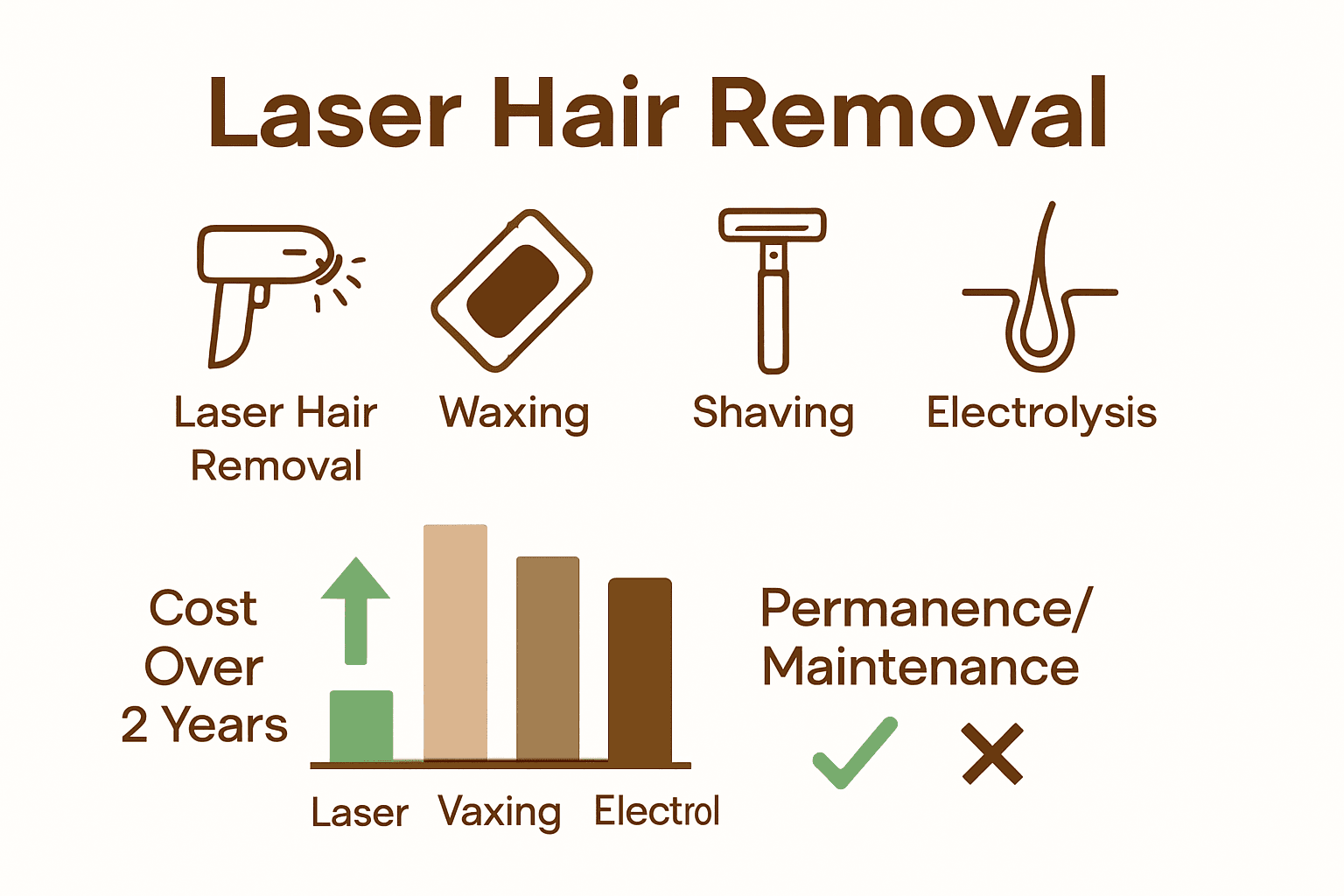
- Waxing: Lower upfront cost, but recurring expenses
- Electrolysis: More expensive per session
- Shaving: Lowest cost, but constant maintenance
- Depilatory creams: Affordable, but temporary results
Learn more about our comprehensive guide on laser hair removal costs, which provides detailed insights into pricing structures. While laser hair removal might require a higher initial investment, it offers significant long-term savings by reducing ongoing hair removal costs and providing a more permanent reduction than traditional methods.
Ultimately, the most cost-effective approach depends on individual hair growth patterns, skin type, and personal preferences. A professional consultation can help determine the most suitable and economical hair removal strategy tailored to your specific needs and budget.
Discover Seamless Laser Hair Removal Solutions Tailored for You
Understanding the complete laser hair removal process can feel overwhelming, given its complex technology and step-by-step procedure. The article highlights challenges such as selecting the right laser wavelength for your unique skin and hair type, preparing properly to minimize side effects, and managing expectations for multiple sessions to achieve the best results. At Distill Laser Clinic, we address these exact concerns by offering personalized care plans that prioritize your safety and deliver lasting, natural-looking results. Our advanced laser systems and expert team ensure precise treatment tailored to your specific needs, while minimizing discomfort and risk.
Explore how our expertise can simplify your laser hair removal journey with a fully customized approach. Please find out more about our services and why we are trusted experts in the GTA by visiting Distill Laser Clinic.

Take the first step towards smooth skin today. Experience professional guidance, cutting-edge technology, and compassionate care that puts your comfort and confidence first. Please book a consultation now and uncover how our laser hair removal treatments can transform your skincare routine with lasting benefits.
Frequently Asked Questions
What is the laser hair removal process?
Laser hair removal involves a structured series of steps, including an initial skin assessment, pre-treatment skin preparation, laser treatment, and post-treatment care. The procedure targets hair follicles with focused laser light to effectively reduce unwanted hair.
Who are the ideal candidates for laser hair removal?
The most effective candidates are typically those with light skin and dark hair, as the contrast allows the laser to target the melanin in hair follicles more precisely. However, advancements in technology now enable treatment for a broader range of skin and hair types.
What are the potential side effects of laser hair removal?
Common side effects can include temporary skin redness, slight swelling, mild tingling, and pigmentation changes. More serious risks, though rare, could involve burns, scarring, and paradoxical hair growth. It’s essential to choose a reputable clinic to minimize these risks.
How much does laser hair removal typically cost?
The cost of laser hair removal can vary based on several factors, including the size of the treatment area, the number of sessions needed (usually 4-6), and the complexity of the skin and hair types. While the initial investment may be higher than traditional methods, the long-term savings often make it worthwhile.
